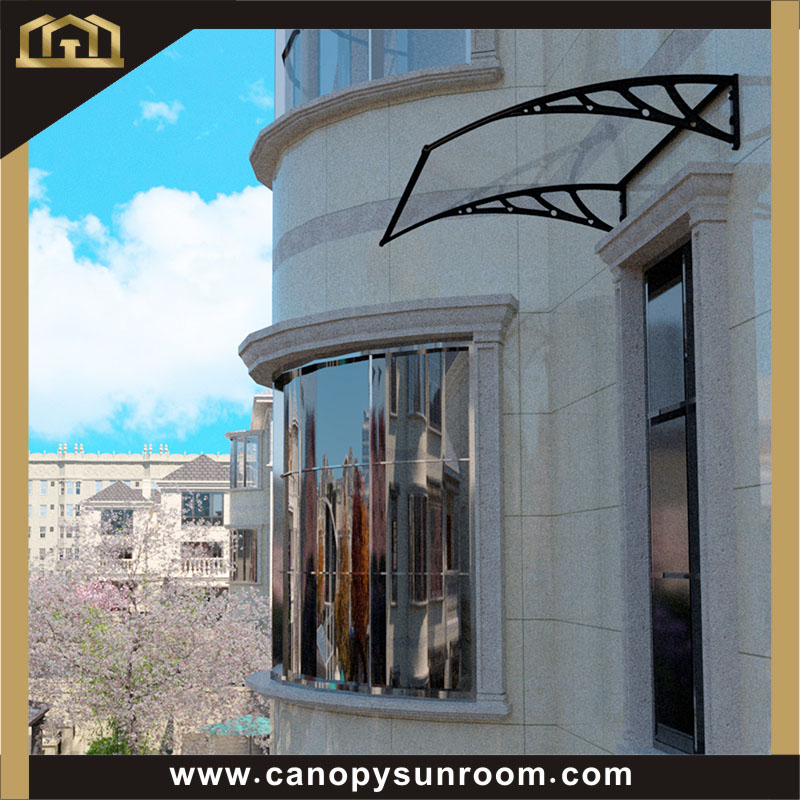
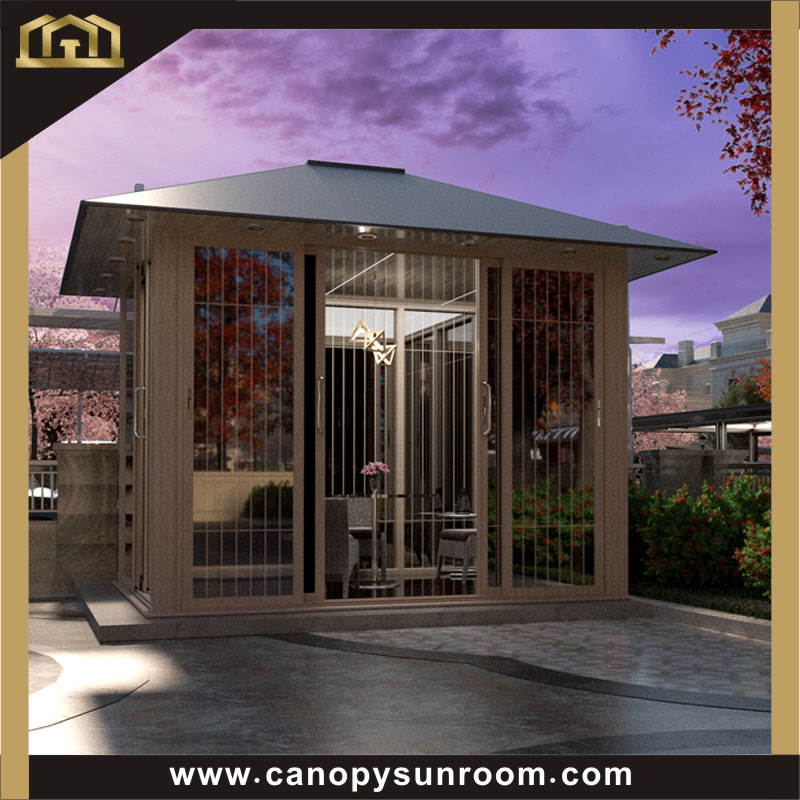
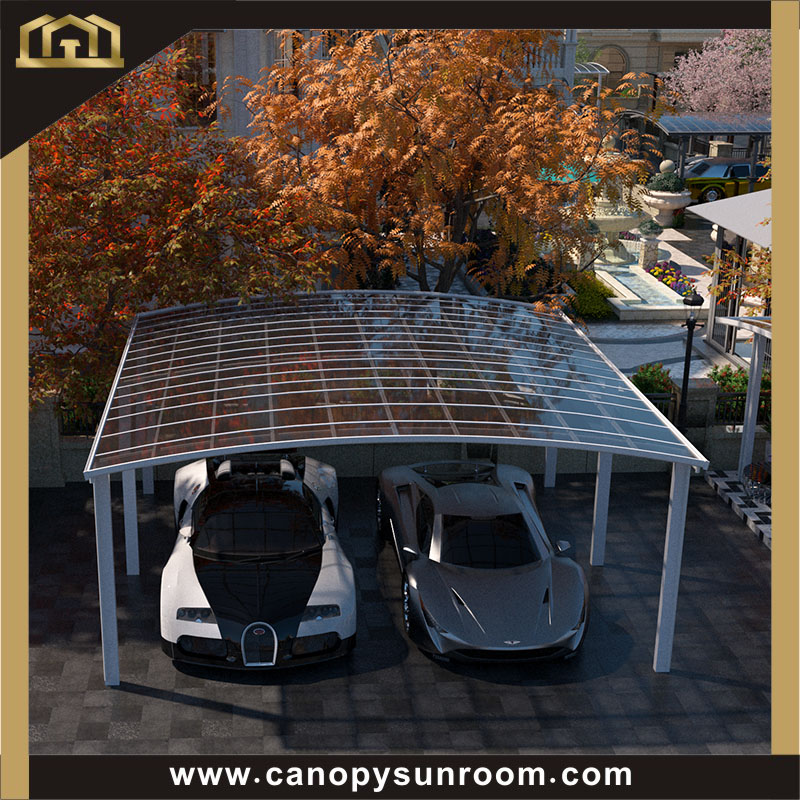
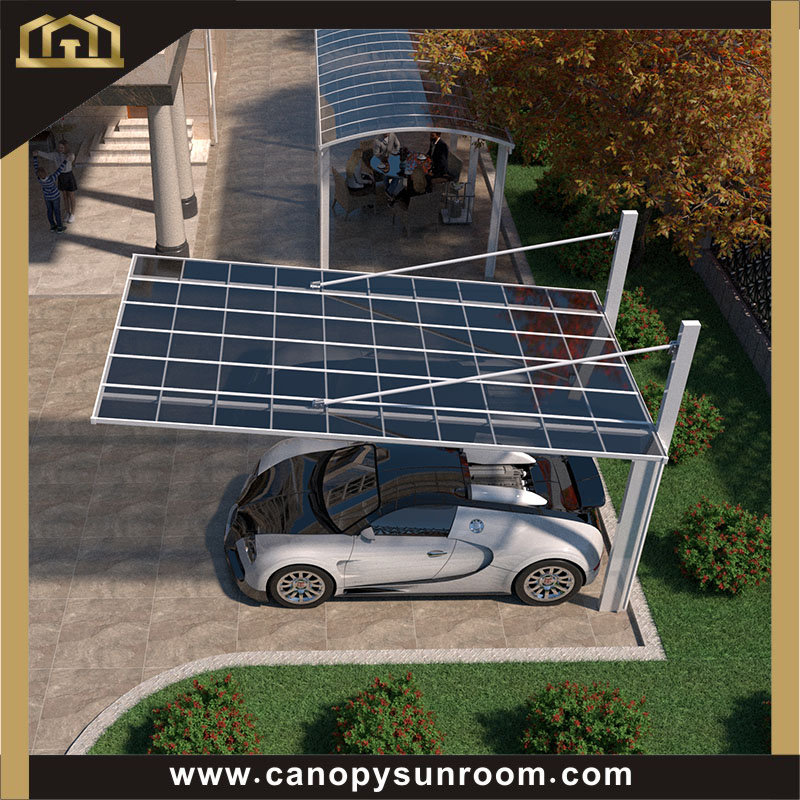
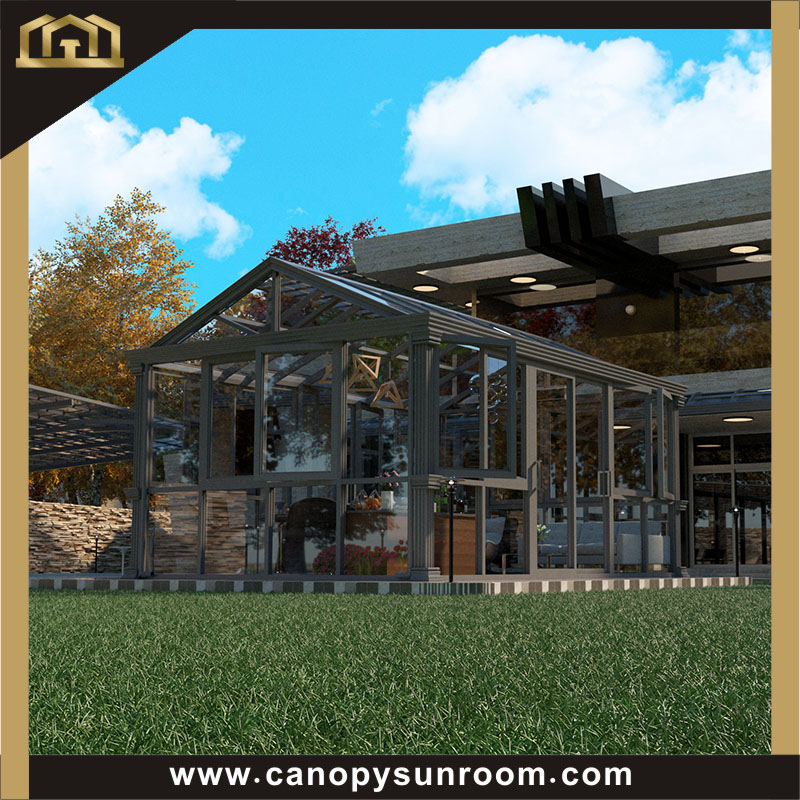
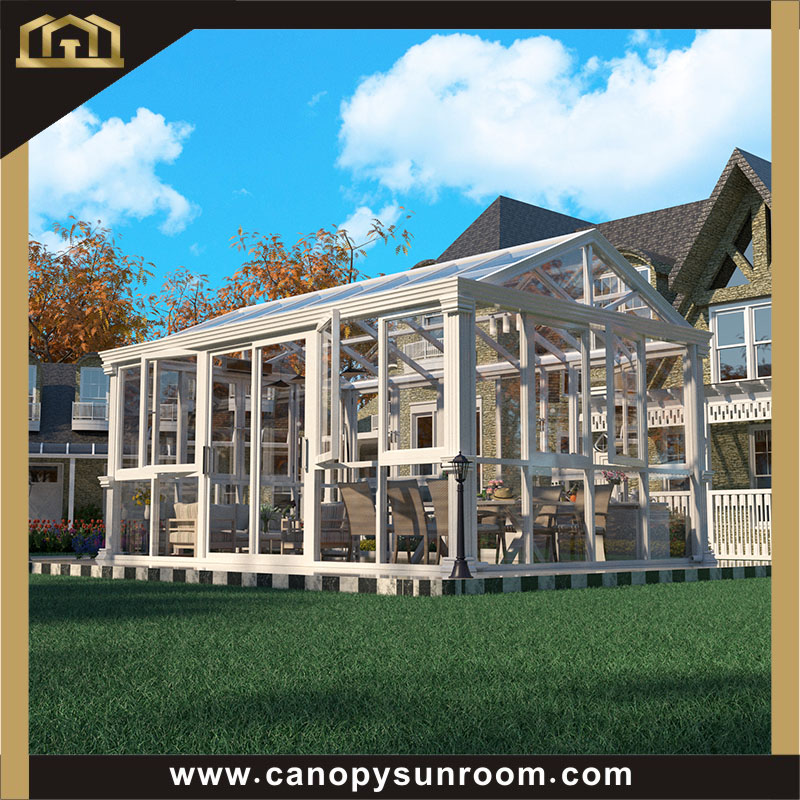
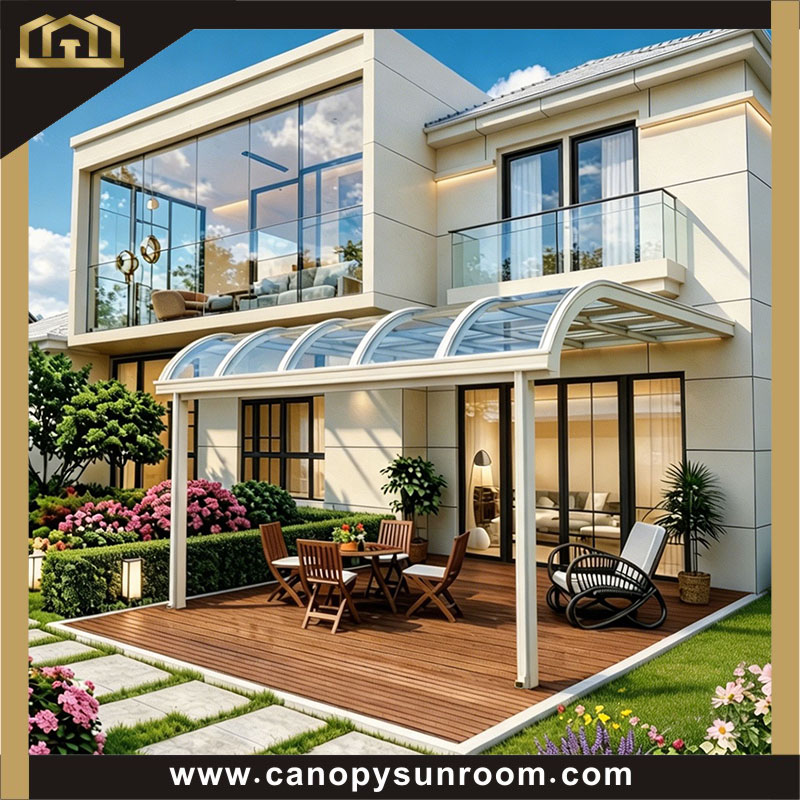
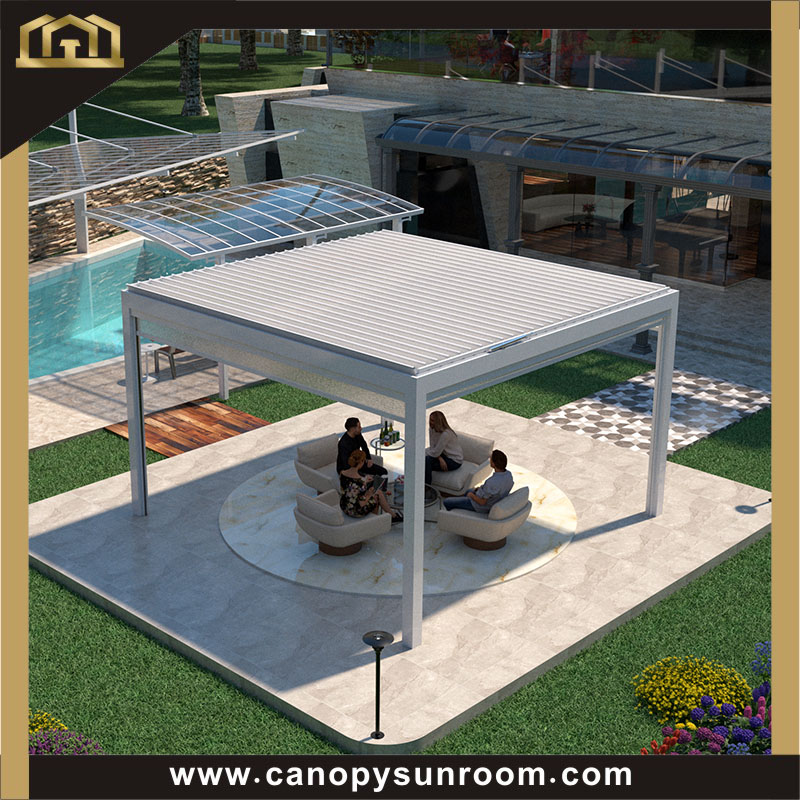
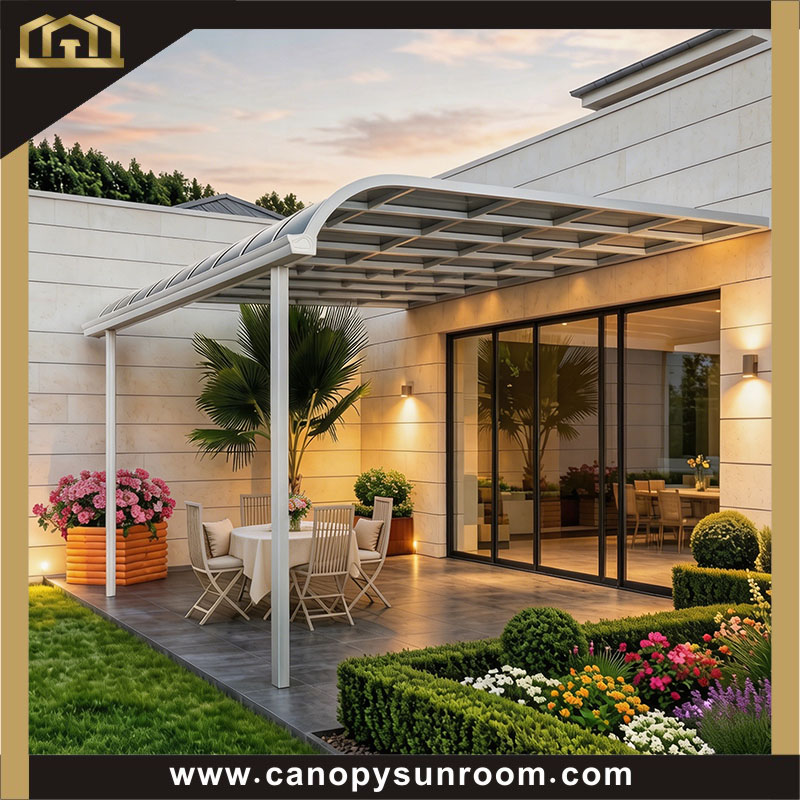
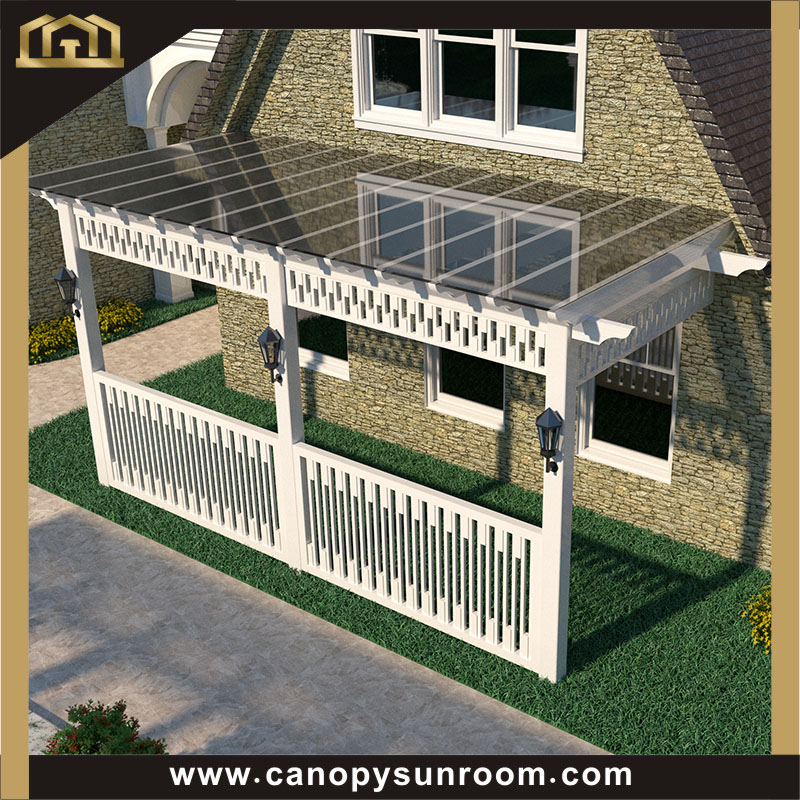
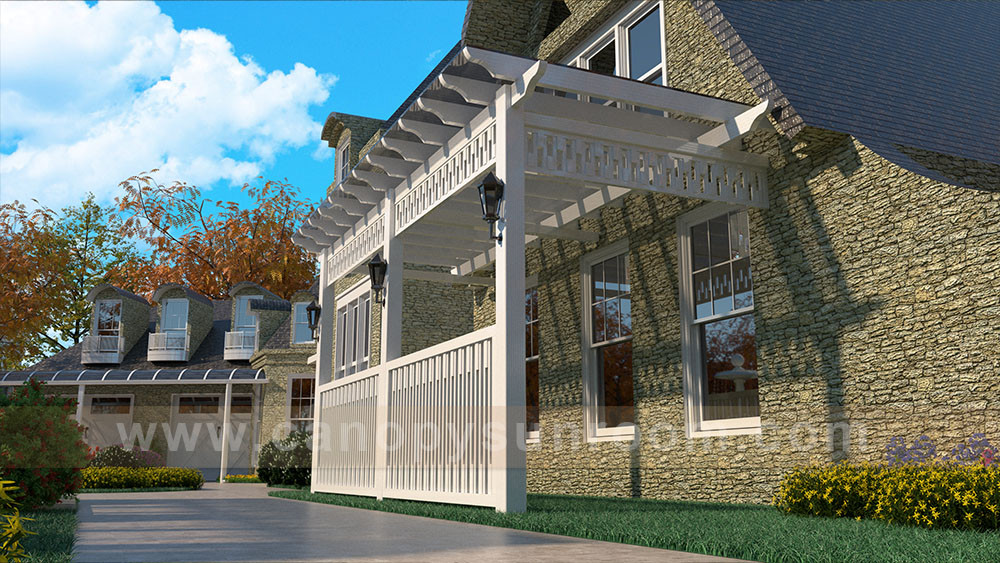
An aluminum pergola is a lightweight, durable outdoor structure designed to enhance patios, gardens, terraces, or commercial outdoor spaces. Unlike traditional "grape trellises" (used for plant support) or theater-stage grid structures (for equipment lifting), its core functions are shade provision, outdoor living space expansion, and aesthetic enhancement.
It typically consists of a frame (support posts, main rafters, secondary joists) and optional louvered/slat panels. By balancing structural stability with flexibility, it creates a semi-open shelter—protecting users from harsh sunlight or light rain while maintaining air circulation, making it ideal for outdoor dining, lounging, or plant display.
Aluminum pergolas primarily use 6000-series aluminum alloys (e.g., 6061, 6063)—selected for their superior properties:
- Lightweight yet high strength: Density ~2.7g/cm³ (1/3 of steel), reducing installation difficulty and foundation load, while withstanding wind loads (up to 12-grade typhoons for reinforced models).
- Corrosion & weather resistance: Natural oxide film on the surface (or optional powder-coating/anodizing) resists rust, fading, and degradation from UV rays, rain, or extreme temperatures (ranging from -30°C to 60°C).
- Eco-friendliness: 100% recyclable, aligning with green building standards, and free of toxic coatings.
Aluminum pergolas are classified by shape, function, and assembly type to adapt to diverse outdoor spaces:
- Shape: Rectangular (most common for patios), square (for small gardens), hexagonal/octagonal (for focal points), or curved (for modern architectural integration).
- Function: Fixed-slat (permanent shade), louvered (adjustable light/ventilation—manual or motorized), or retractable (foldable for full sun exposure).
- Assembly: Modular (pre-cut components for on-site quick assembly) or custom (tailored to space dimensions, e.g., spanning large terraces).
Core structural components include:
- Support posts (load-bearing, height 2.4–3.5m typical);
- Main rafters (spanning posts, spacing 1.5–2.5m);
- Secondary joists (attached to rafters, spacing 30–50cm for slat/louver installation);
- Optional accessories: Aluminum slats/louvers, waterproof membranes, LED light strips, or retractable side curtains.
Aluminum pergola construction prioritizes precision, durability, and ease of installation—avoiding complex on-site welding (common in steel structures) to reduce labor and errors:
- For light-duty models (weight <500kg), use concrete footings (depth 30–50cm) or anchor bolts (fixed to existing concrete patios) to secure support posts.
- For heavy-duty or large-span models (span >6m), install reinforced concrete piers to distribute load evenly, preventing settlement.
- Support Posts: Attach post bases to foundations via high-strength bolts (M10–M12, galvanized to resist corrosion). Ensure posts are plumb (using a level) to avoid structural tilting.
- Main Rafters: Connect rafters to posts using aluminum angle brackets or bolted joints (no welding—aluminum welding requires specialized equipment and risks material weakening). Rafters are cut to length based on span, with optional reinforcing plates for spans >4m.
- Secondary Joists: Fasten joists to rafters using self-tapping aluminum screws (to prevent galvanic corrosion). Ensure joist spacing is consistent to support slats/louvers evenly.
- Slat/Louver Installation: For fixed slats, attach them to joists with screws; for motorized louvers, install a track system and connect to a power source (solar or wired).
- Waterproofing (if needed): Add a polycarbonate or aluminum waterproof panel between rafters for light rain protection, with a 3–5° slope to ensure drainage (avoid water accumulation on the frame).
- Edge & Safety Handling: Smooth sharp edges of aluminum components (via sanding) to prevent scratches; install handrails if the pergola is attached to elevated decks (height ≥90cm, spacing between rails <10cm).
- Inspect all bolted joints for tightness (torque 25–35 N·m for M10 bolts);
- Test motorized louvers (if applicable) for smooth operation;
- Verify load-bearing capacity (static load ≥20kg/m², dynamic load ≥10kg/m²) to ensure safety for users or light snow.
Aluminum pergolas excel in cost efficiency and structural optimization—addressing material waste, installation complexity, and long-term maintenance:
- High-Strength Aluminum Selection: Using 6061-T6 aluminum (tensile strength 310MPa) reduces frame weight by 30–40% compared to steel pergolas (typical weight range: 800–3,000kg, vs. 12,000–30,000kg for steel theater grids).
- Variable Cross-Section Design: For main rafters, use thicker sections at load-bearing points (e.g., 80×40mm) and thinner sections in low-stress areas (e.g., 60×30mm) to save material without compromising strength—achieved via finite element analysis (FEA) to model real-world stress.
- Material Cost: Aluminum accounts for 60–70% of total costs. Using recycled aluminum (30% lower cost than virgin aluminum) or bulk purchasing reduces expenses; standardizing component sizes (e.g., 2.4m/3m posts) cuts custom machining fees.
- Installation Cost: Modular design reduces on-site labor time by 40% (vs. custom steel structures); using pre-assembled rafter-joist kits eliminates on-site cutting.
- Transport Cost: Lightweight aluminum frames reduce shipping weight, lowering transportation fees by 25–30% compared to steel or concrete structures.
- High-Strength Bolted Connections: Replace traditional welding with M12 high-strength bolts (shear strength 60kN) and connecting plates—improving assembly efficiency and allowing disassembly for relocation.
- Anti-Corrosion Treatments: Apply powder-coating (thickness 60–80μm) or anodizing (thickness 10–15μm) to aluminum surfaces, extending service life to 15–20 years (vs. 5–8 years for untreated steel).
- Modular Expansion: Design frames with pre-drilled holes for future upgrades (e.g., adding side curtains or lighting)—avoiding full disassembly and reducing renovation costs.
Unlike theater-specific grid structures or traditional wooden pergolas, aluminum pergolas combine outdoor functionality, durability, and cost efficiency: they adapt to residential and commercial spaces, require minimal maintenance, and offer flexible design options. By leveraging aluminum’s material advantages and optimized construction, they provide a long-lasting, eco-friendly solution for enhancing outdoor living experiences.
 About the DIY polycarbonate canopoy & awning